
A convection oven uses a fan and exhaust system to circulate hot air, cooking food about 25% faster and at lower temperatures than a conventional oven. Conventional ovens rely on stationary radiant heat from top or bottom elements, which creates uneven hot spots but provides the gentle, still environment needed for delicate batters and custards that would dry out or rise poorly under forced air.
How Do Cooking Times and Temperatures Actually Differ?
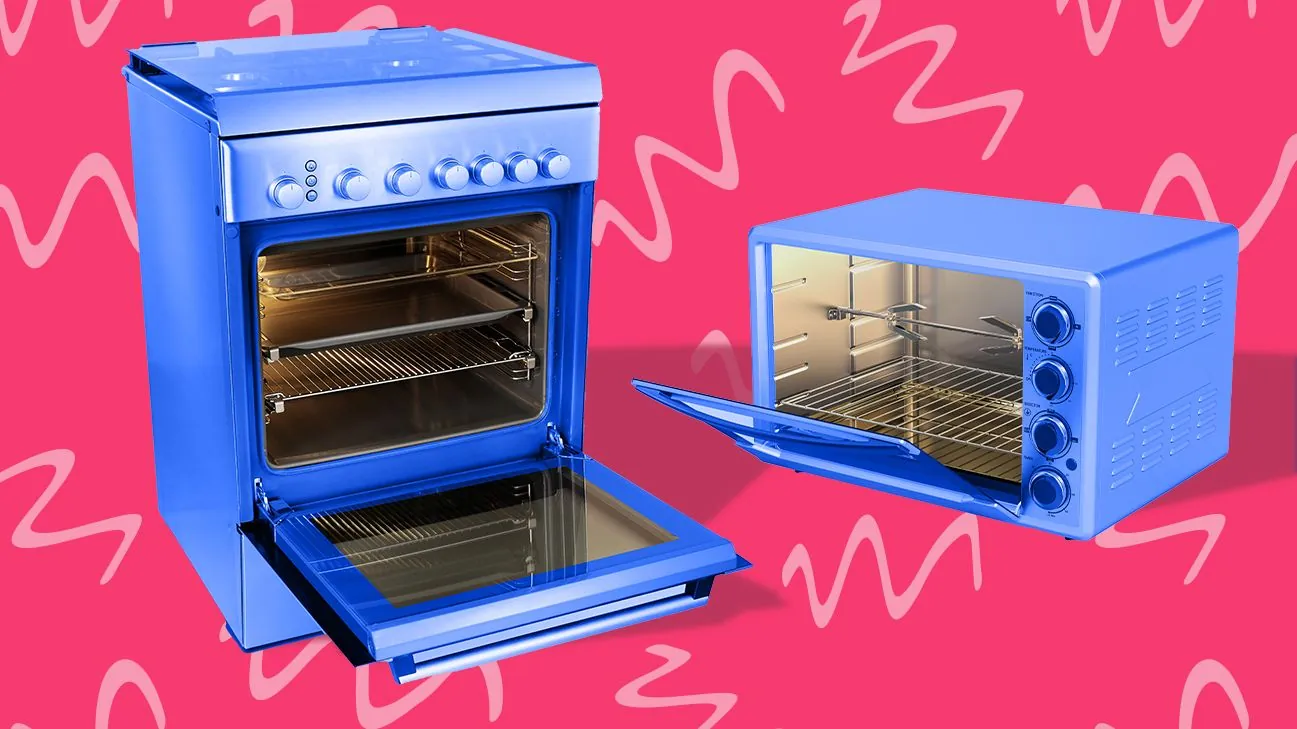
Convection ovens cook food roughly 25% faster because moving air transfers heat more efficiently than still air, stripping away the insulating boundary layer around food. You’ll typically reduce the temperature by 25°F or cut the cooking time by a quarter when switching from a conventional recipe, though you should always check for doneness earlier since oven performance varies. This speed advantage applies mainly to roasting meats, vegetables, and multi-rack baking where even browning matters most.
The trade-off is moisture loss; that same airflow accelerates evaporation, which benefits crispy skin on poultry but can dry out lean cuts or over-brown cookies before they’re done inside. Conventional ovens avoid this by using static heat, making them better for recipes where structure forms slowly, like soufflés or cheesecakes. If your convection oven has an auto-conversion setting, it adjusts the temperature automatically, but you still need to monitor visual cues rather than trusting the timer alone.
| Food Type | Conventional Setting | Convection Adjustment | Why It Matters |
|---|---|---|---|
| Roasted chicken | 375°F for 90 min | 350°F for 65-70 min | Faster browning without drying breast meat |
| Sheet pan cookies | 350°F for 12 min | 325°F for 10-11 min | Prevents burnt edges before centers set |
| Casseroles | 350°F for 45 min | 325°F for 35-40 min | Top browns evenly without scorching |
| Custard/Flan | 325°F water bath | Not recommended | Airflow causes surface cracking |
| Bread loaves | 400°F for 30 min | 375°F for 25-28 min | Better oven spring with less crust hardening |
When Should You Avoid Using the Convection Fan?
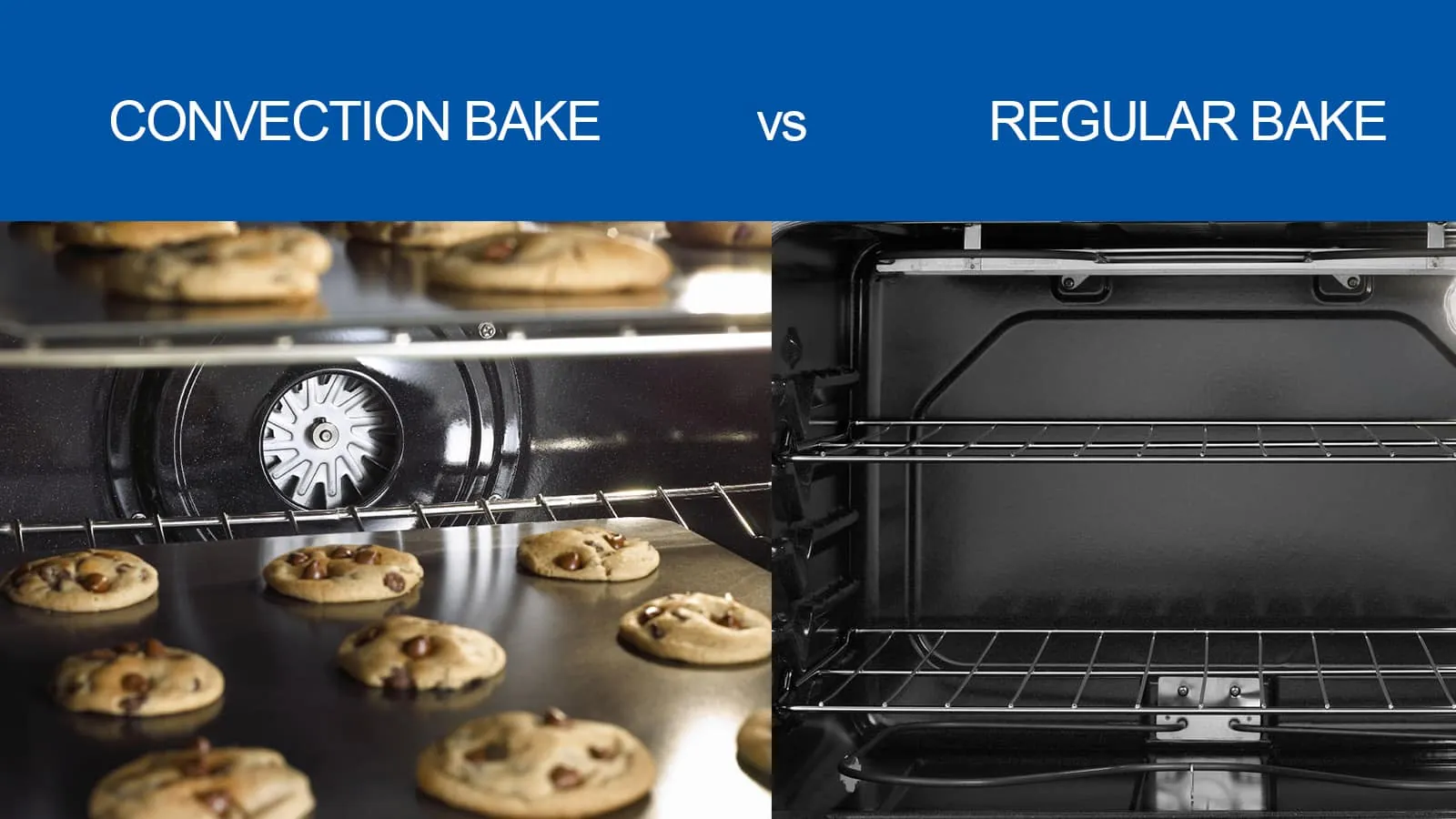
You shouldn’t use convection for delicate baked goods that depend on steam or slow structural development, because the fan disrupts rising and dries surfaces prematurely. Cakes, quick breads, soufflés, and custards perform better in conventional mode where still air allows leavening agents to work fully before the crust sets. The USDA Food Safety and Inspection Service notes that while convection speeds cooking, following manufacturer guidelines for specific foods prevents safety issues from undercooking.
Lightweight items like parchment paper or loose toppings also pose problems, as the fan can blow them into heating elements or cause messes. If you’re adapting a family recipe written for conventional ovens and aren’t confident adjusting variables, stick with the original method until you’ve tested the conversion once.
Some hybrid ovens offer “convection bake” versus “true convection”; the former uses only the bottom element plus fan and mimics conventional results more closely, giving you a middle ground for uncertain recipes.
Choosing conventional isn’t a failure of technique—it’s matching the tool to the chemistry. Delicate emulsions and foam structures collapse under turbulent air regardless of temperature adjustments, so recognizing these limits saves ingredients and frustration.
What Maintenance Does Each Oven Type Require?
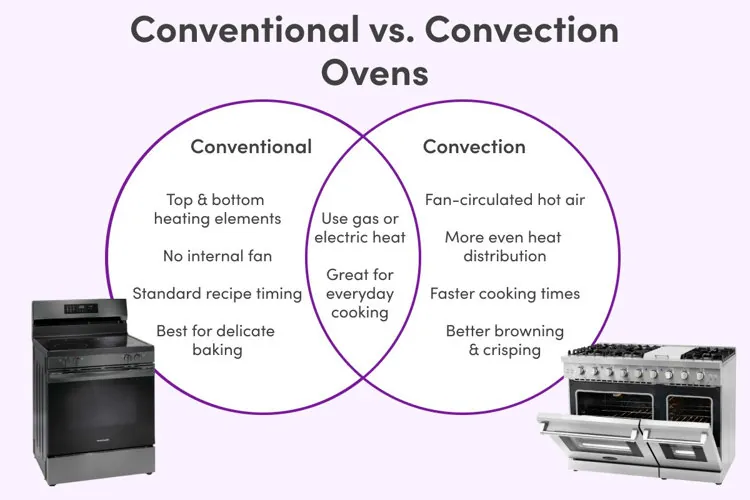
Both oven types need regular cleaning, but convection models demand extra attention to the fan area and exhaust vents where grease accumulates faster due to constant airflow. Wipe the fan cover monthly if you roast frequently, because built-up residue reduces efficiency and can create smoke during high-heat cooking. Conventional ovens lack this component but suffer from uneven heating if spills bake onto elements or reflector pans, so clean those surfaces after each major spill to maintain consistent radiant patterns.
Self-cleaning cycles work differently between types: convection ovens may run hotter and longer to compensate for airflow cooling effects, while conventional units focus intense heat directly on cavity surfaces. Always remove racks and any visible debris before starting either cycle, as carbonized particles interfere with the process and produce excessive smoke. Neither type requires professional servicing for routine maintenance unless the fan motor fails or heating elements stop responding—those are sealed-system repairs beyond safe DIY scope.
Tip: Run a short empty preheat after cleaning to burn off residual cleaner fumes before cooking food again.
Frequently Asked Questions
Can I convert any conventional recipe to convection?
Yes, most savory recipes convert successfully by reducing temperature 25°F or time by 25%, but delicate desserts often fail despite adjustments. Start with sturdy dishes like roasted vegetables or sheet-pan dinners before attempting cakes, and always check doneness five minutes early since conversions aren’t perfectly linear across all recipes.
Does convection save enough energy to justify the cost?
It saves energy per batch due to shorter cook times and lower temperatures, but savings depend entirely on how often you use it versus conventional mode. Heavy users who roast weekly see meaningful reductions, while occasional bakers won’t recover a price premium through utility bills alone—factor in your actual cooking habits rather than theoretical efficiency ratings.
Why does my convection oven seem inconsistent?
Inconsistency usually comes from overcrowding racks or blocking airflow paths with oversized pans, not from equipment failure. Leave two inches between pans and walls, rotate trays halfway through cooking, and verify your oven’s calibration with an independent thermometer since built-in sensors drift over years of use regardless of oven type.
Test one familiar recipe in convection mode this week using the 25°F reduction rule, noting visual doneness cues versus the original timing. Keep a simple log of adjustments that worked for your specific oven, since manufacturer calibrations vary enough that universal charts never replace personal baseline data.