
A convection oven uses a fan to blow hot air around the food, while a regular oven relies on still heat radiating from top or bottom elements.
How Does a Convection Oven Differ From a Regular Oven?
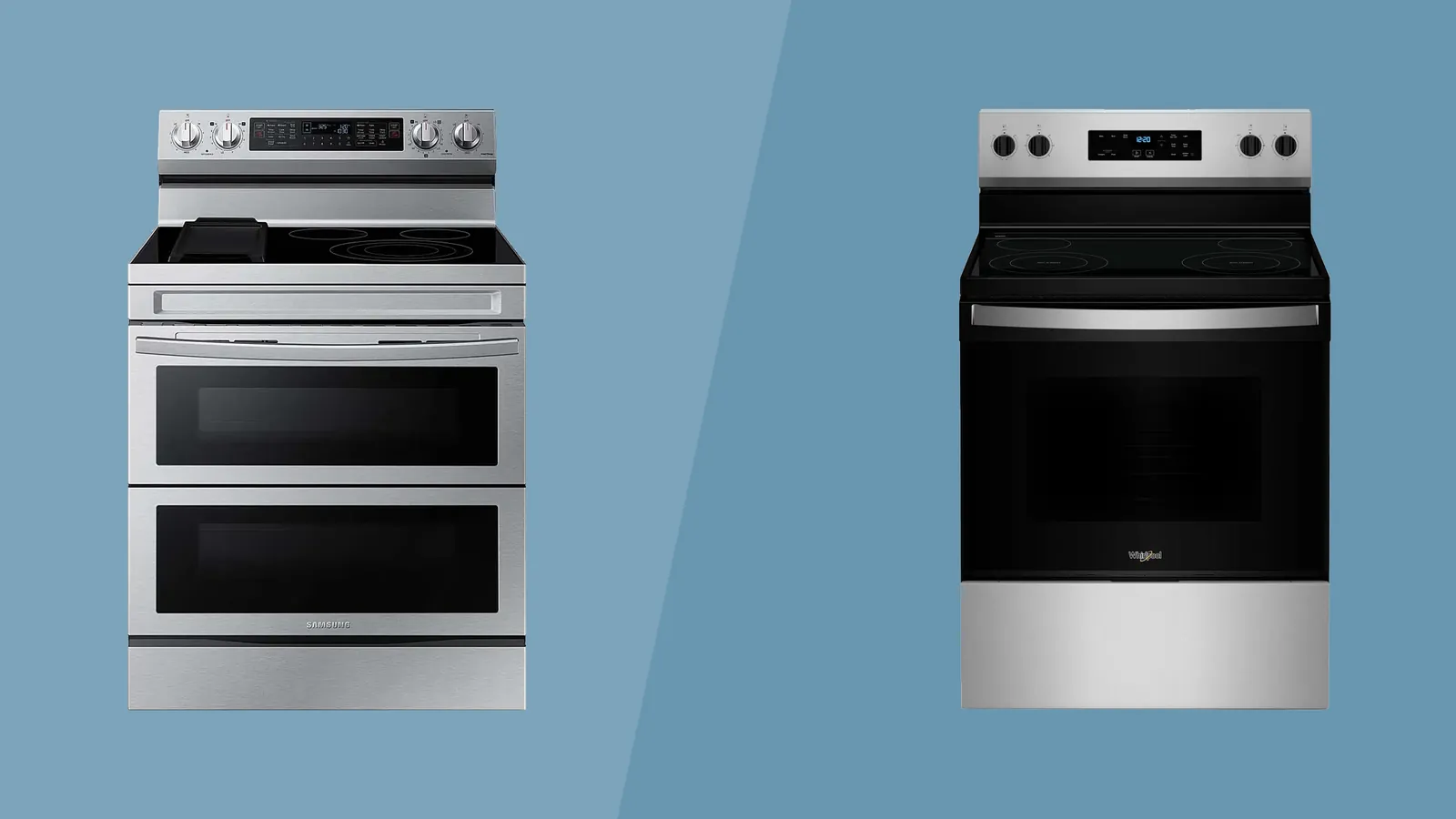
The main difference between a convection oven and a regular oven is how the heat moves. A regular oven has heating elements at the top, bottom, or both. The air inside stays mostly still, which creates hotter spots near the elements and cooler pockets elsewhere.
A convection oven adds a fan at the back wall and an exhaust vent. The fan pushes heated air across every shelf continuously. This constant circulation means you don’t need to rotate pans halfway through baking. It also pulls moisture away from the surface of the food, giving roasted meat a crisp skin and vegetables a caramelized edge that still air can’t match.
Which One Cooks Faster and More Evenly?
Yes, a convection oven cooks roughly 25% faster because the moving air transfers heat to the food’s surface much more efficiently than still air. For example, a whole chicken that takes 90 minutes in a regular oven will usually finish in about 65 to 70 minutes with the fan running. The browning is also far more uniform since there are no cool pockets hiding behind large baking sheets.
However, speed isn’t always better. If you’re baking a delicate soufflé or a cake that needs to rise slowly, that forced air can push the batter sideways before it sets. Regular ovens handle these fragile items better because the gentle, still heat lets them climb upward without interference.
Here is how the two compare when you cook common foods:
| Food | Regular Oven Setting | Convection Oven Adjustment | Result Difference |
|---|---|---|---|
| Roasted chicken | 375°F for 90 minutes | 350°F for 65-70 minutes | Crisper skin, faster finish |
| Chocolate chip cookies | 350°F for 12 minutes | 325°F for 9-10 minutes | Even browning, less spreading |
| Layer cake | 350°F for 30 minutes | Use regular setting (fan off) | Fan blows batter unevenly |
| Pizza | 450°F for 15 minutes | 425°F for 12 minutes | Faster crust crisping |
Tip: Drop the temperature by 25 degrees or cut the time by about a quarter when switching a recipe from a regular oven to a convection setting. Don’t do both at once until you know how your specific model behaves.
Can I Use the Same Recipes for Both?
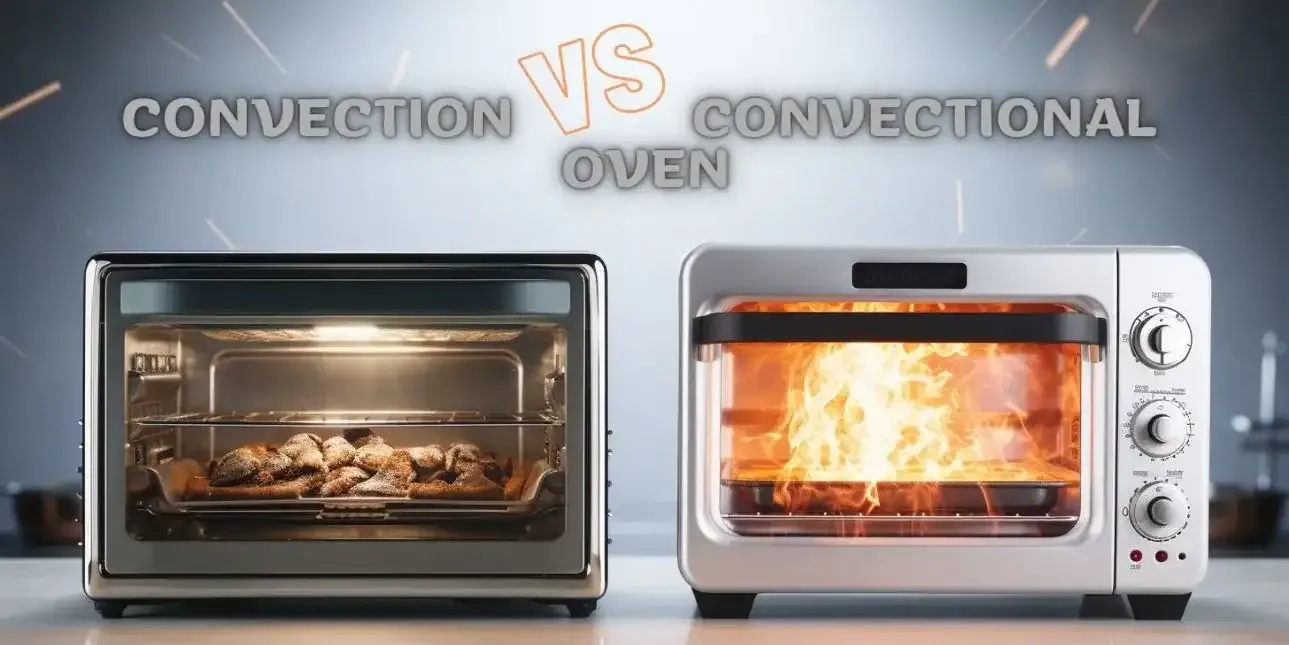
You can use the same recipes, but you’ll need to adjust either the temperature or the cooking time.
To adapt a recipe, lower the dial by 25 degrees Fahrenheit and keep the original time. Alternatively, keep the temperature the same but start checking for doneness about 10 minutes earlier than the recipe suggests. The exact adjustment depends on your specific appliance, so check the manual that came with it — that’s the only place that settles the baseline for your particular model’s fan speed.
There’s a trade-off here. If you bake the same loaf of bread every week, switching to the fan means relearning exactly when it’s done.
This method isn’t for everything. Don’t use the fan for custards, flans, or quick breads that rely on a slow, steady rise. The blowing air creates ripples on wet surfaces and forms a crust too early, trapping steam inside and causing cracks. For those dishes, stick to the standard setting.
What Mistakes Ruin Convection Cooking?
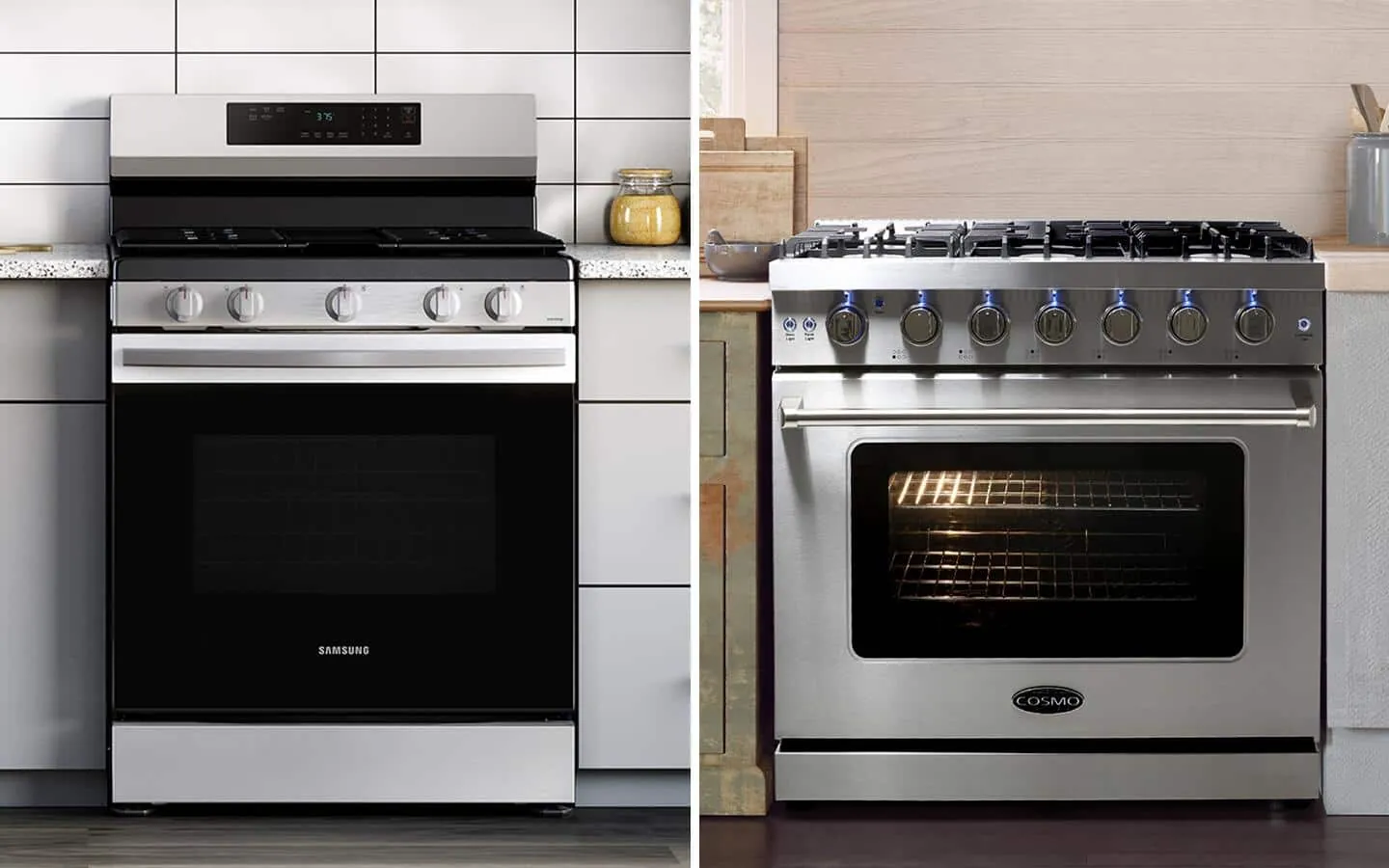
Crowding the oven is the most common error. The fan needs empty space to push air around your pans. If you slide in three heavy baking sheets stacked closely together, you block the airflow completely. You end up with the exact same uneven cooking you’d get without the fan, but you used more electricity to achieve it.
Using deep, high-sided roasting pans causes similar problems. The tall walls act like a shield, keeping the circulating air away from the food sitting at the bottom. Swap them for rimmed baking sheets or shallow roasting pans whenever you turn the fan on. Low sides let the hot air sweep directly over the ingredients.
Ignoring parchment paper weight is another issue. Lightweight parchment can lift and blow onto the heating element if it isn’t weighed down by the food itself. Trim the paper so it fits flat inside the pan without hanging over the edges where the draft catches it.
People also forget to account for carryover cooking. Because convection heats the exterior so aggressively, large cuts of meat continue to rise in temperature significantly after you pull them out. If you wait until the thermometer reads your target number before taking a roast out, it’ll overshoot while resting on the counter.
Frequently Asked Questions
Is a convection oven better for baking bread?
It depends on the type of bread. Artisan loaves with hard crusts benefit from the fan only in the second half of baking to crisp the crust, because forced air early on dries the surface and restricts oven spring. Soft sandwich breads and enriched doughs often dry out too fast under forced air, so the regular setting produces a better, softer crumb.
Do I need special pans for the convection setting?
No, you don’t need to buy new equipment, but pan shape matters. Light-colored aluminum pans reflect heat gently and work well. Dark, non-stick pans absorb heat quickly, which combined with the fan can cause the bottoms of cookies or pastries to scorch before the tops set properly.
Does the fan run the entire time?
On dedicated models, yes, the fan circulates air throughout the whole cycle. On combination units, some manufacturers program the fan to pulse on and off rather than spinning constantly. Check your owner’s manual to see if your specific machine runs continuously or cycles the motor to prevent over-browning.
Check your oven’s control panel today to see if you have a hidden fan setting you haven’t tried yet. Pick a simple batch of roasted vegetables to test the 25-degree reduction rule before attempting a complex recipe. Once you see how the moving air changes the texture, you’ll know exactly which dishes belong on each setting.