
An air fryer isn’t the same as a convection oven, though both rely on fans to circulate hot air around your food. The core difference lies in size, fan speed, and how quickly that moving air transfers heat. An air fryer uses a compact chamber and a high-speed fan to mimic deep frying with little oil, while a convection oven uses a larger cavity and a slower fan to roast or bake evenly.
Key Takeaways
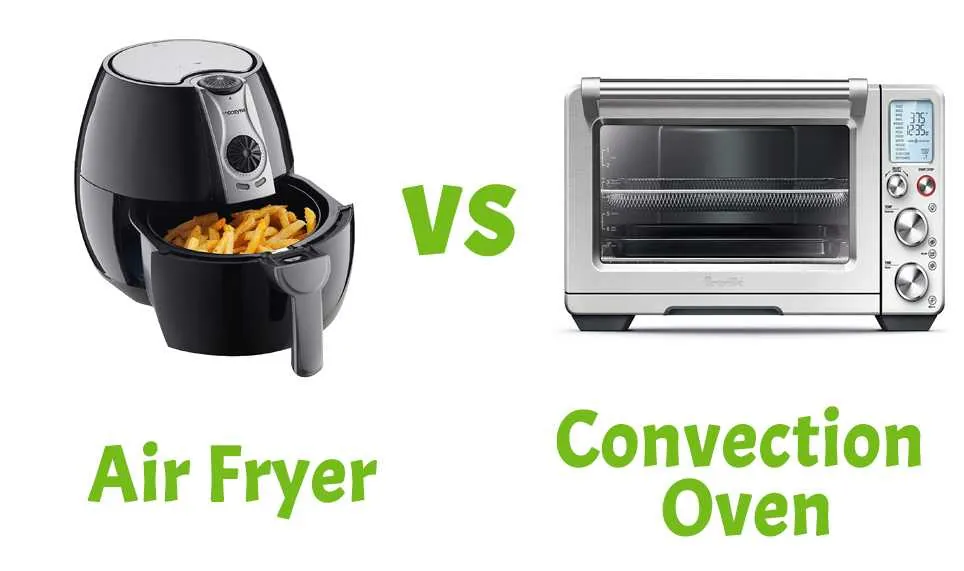
- Both appliances use fan-forced air to cook, but an air fryer moves that air much faster inside a smaller space.
- Convection ovens handle large batches better, making them ideal for roasting whole chickens or baking multiple trays of cookies.
- Air fryers preheat in minutes because their compact cooking chamber requires less energy to reach temperature.
- You can adapt most convection recipes for an air fryer by reducing the temperature by 25°F and checking food earlier.
- Neither appliance truly “fries” food; they both bake using rapidly circulating dry heat.
Is an Air Fryer a Convection Oven?
Yes, mechanically speaking, an air fryer is a small, specialized countertop convection oven. According to the USDA food safety guidelines, proper internal temperatures matter more than the appliance used.
How Fan Speed Changes Cooking
An air fryer fan spins significantly faster than a convection oven fan. This rapid circulation strips away the moisture boundary layer surrounding food.
Size and Capacity Differences
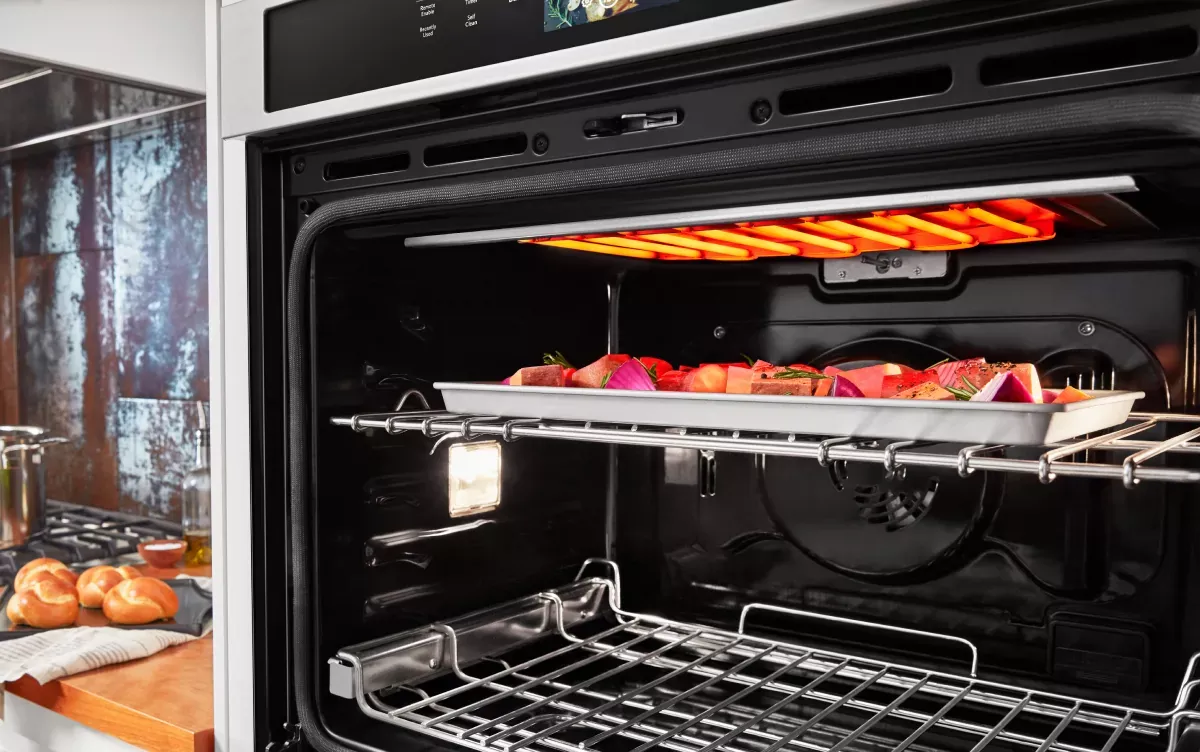
Volume dictates what you can realistically prepare in each appliance. A typical air fryer basket holds between two and six quarts, limiting you to small portions like a bag of frozen fries or two chicken breasts. Full-size convection ovens offer multiple cubic feet of space, accommodating sheet pans, Dutch ovens, and large roasts.
| Feature | Air Fryer | Convection Oven |
|---|---|---|
| Typical Capacity | 2 to 6 quarts | 3 to 6 cubic feet |
| Preheat Time | 2 to 3 minutes | 10 to 15 minutes |
| Best For | Small batches, crisping | Large meals, baking |
| Countertop Space | Minimal | Requires full range or large counter |
What Cooks Better Where
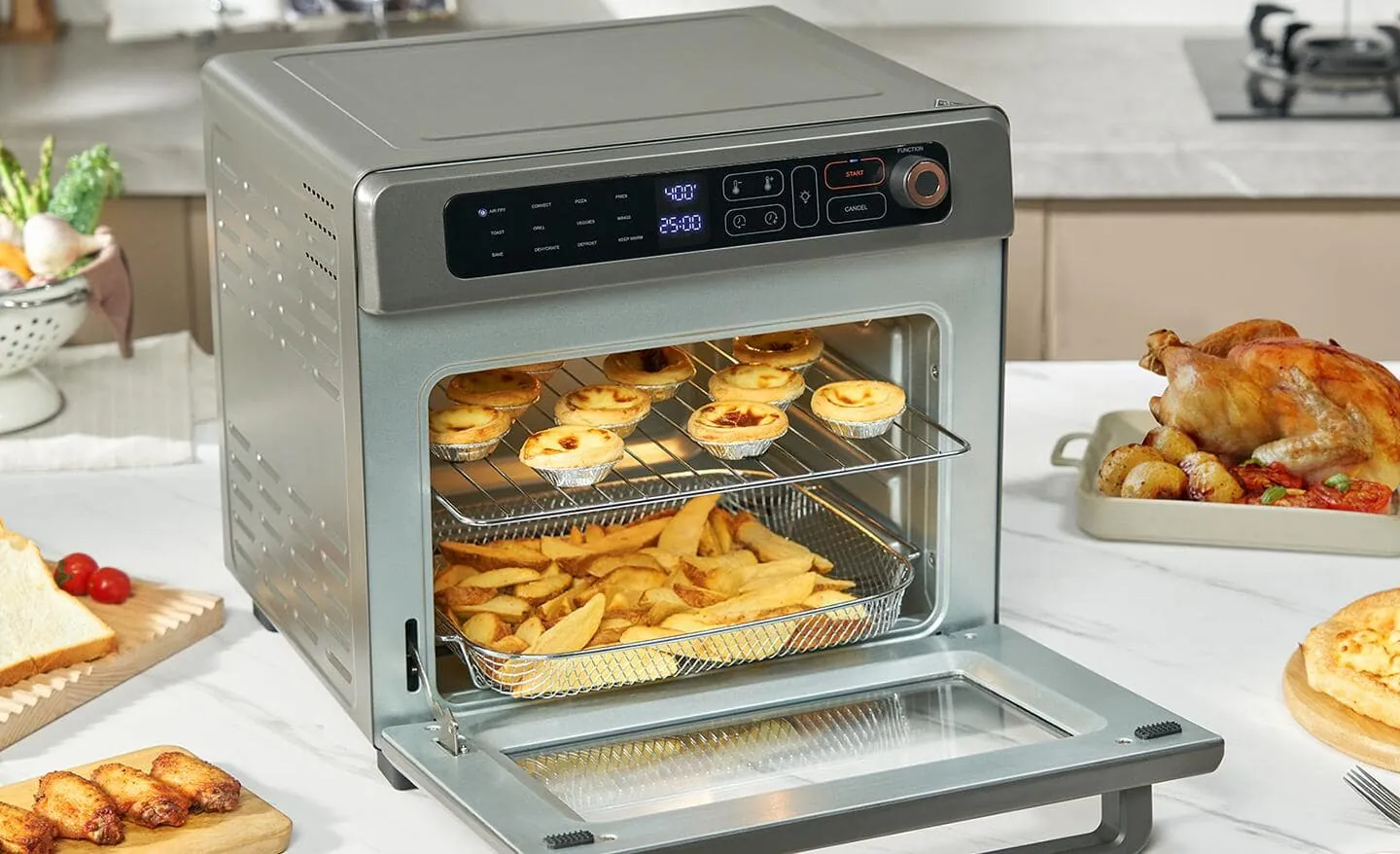
Certain foods thrive under the aggressive heat of an air fryer, while others demand the steady environment of a convection oven. Frozen appetizers, reheated pizza slices, and thick-cut bacon turn out exceptionally well in the smaller appliance. Conversely, baking bread, roasting root vegetables for a crowd, or cooking a prime rib requires the stable, spacious environment of a convection oven.
Energy Use and Efficiency
Because an air fryer heats a tiny metal basket rather than a massive steel box, it consumes far less electricity per meal.
| Task | Recommended Appliance | Why |
|---|---|---|
| Reheating leftovers | Air Fryer | Restores crispness quickly without drying |
| Baking a cake | Convection Oven | Gentle heat prevents collapsed centers |
| Crisping wings | Air Fryer | High-speed fan renders fat effectively |
| Roasting turkey | Convection Oven | Fits the bird and cooks evenly |
Adapting Recipes Between Appliances
Converting a convection oven recipe for an air fryer requires adjusting time and temperature.
Pro Tip: When adapting recipes, arrange food in a single layer inside the air fryer basket. Stacking ingredients blocks the essential airflow, resulting in soggy bottoms instead of the desired crunch.
Cleaning and Maintenance
Air fryers generally feature removable, non-stick baskets that slide right into the dishwasher.
Warning: Never submerge the main housing unit of an air fryer in water. Only the removable basket and crisper plate are washable; the base contains electrical components that will short out if exposed to liquid.
Do Air Fryers Actually Fry Food?
No. The term “air fryer” is purely marketing language. Air fryers use dry radiant heat combined with forced convection. They achieve a similar texture by dehydrating the surface of the food very quickly, but the chemical process differs from deep frying.
Which Should You Buy?
Your decision depends entirely on your kitchen layout and cooking habits. If you lack a full kitchen or need a primary cooking device for diverse meals, a countertop convection oven offers vastly superior versatility.
| Budget Range | Suggested Purchase | Example Brand |
|---|---|---|
| Under $100 | Basic basket air fryer | Cosori |
| $100 to $250 | Premium air fryer or basic convection toaster oven | Ninja, Cuisinart |
| Over $250 | Smart convection oven with air fry mode | Breville, June |
Frequently Asked Questions
Can I use aluminum foil in an air fryer?
Yes, but you must secure it properly. Loose foil can get sucked into the heating element by the powerful fan, creating a fire hazard. Only use small pieces weighed down by food, and never cover the entire bottom of the basket, as blocking airflow defeats the purpose of the appliance.
Is an air fryer healthier than a convection oven?
Both are equally healthy since neither requires added oil to cook food. The health benefits come from avoiding deep frying, not from the specific machine. An air fryer simply mimics the texture of fried food using circulated hot air instead of submerged oil.
Why does my air fryer smoke so much?
Smoking usually occurs when grease drips from fatty foods onto the exposed heating element located just above the basket. Foods like bacon or chicken thighs render significant fat. Placing a small amount of water or a piece of bread beneath the basket catches drips and minimizes smoke.
Can I bake cakes in an air fryer?
You can bake small cakes or muffins, but the intense top-down heat often burns the surface before the center finishes cooking. Lowering the temperature significantly and covering the pan loosely with foil helps. A standard convection oven remains much better suited for delicate baking projects.
Do air fryers use a lot of electricity?
Air fryers typically draw between 1,400 and 1,700 watts, similar to a microwave. However, because they cook food much faster and require zero preheating time, their overall energy consumption per meal is considerably lower than running a large conventional or convection wall oven.