
Tumbler glasses are used for serving spirits neat or on the rocks, mixed cocktails, water, juice, and soft drinks. They’re flat-bottomed, stemless drinking vessels that typically hold between 6 and 12 ounces of liquid. Because they don’t have a fragile stem, they work for almost any cold beverage you’d pour at home or order at a bar.
What Are Tumbler Glasses Used For?
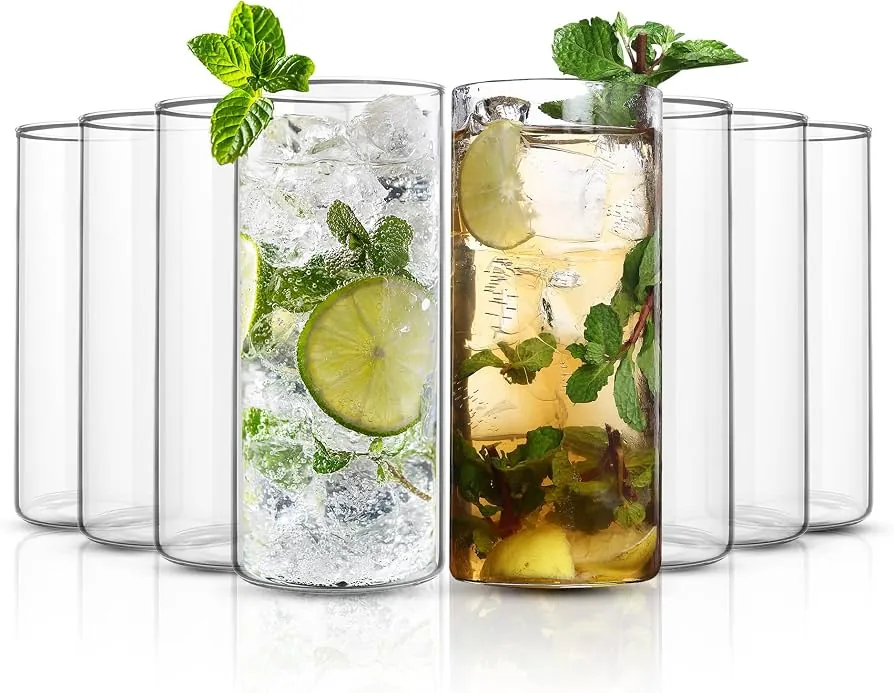
A tumbler is a flat-bottomed, stemless glass designed to hold cold beverages without tipping over easily. You’ll see them used for whiskey poured over ice, simple mixed drinks like a rum and cola, everyday water, and fresh juice at breakfast. Their wide opening makes them easy to fill, stir, and drink from quickly.
Bartenders reach for tumblers when a drink doesn’t need a stem to keep it cool. The thick base provides stability on a table or counter, which is why restaurants use them for water service more than any other glass shape. If you’re pouring something cold that you plan to drink within a few minutes, a tumbler is usually the right choice.
The name itself hints at their history. Early versions had rounded or pointed bottoms that couldn’t stand upright, so they “tumbled” if you set them down. Modern ones sit perfectly flat, but the name stuck around long after the shape changed. Today, they remain one of the most common items in any kitchen cabinet.
How Many Ounces Does a Tumbler Hold?
Standard tumblers range from 6 to 12 ounces, depending on the specific style you buy. A smaller size works best for straight spirits, while larger ones give you room for ice and mixers. Choosing the wrong size means your drink either overflows when you add ice or looks awkwardly empty in a huge glass.
| Tumbler Type | Typical Capacity | Best Used For |
|---|---|---|
| Rocks glass (Old Fashioned) | 6–10 ounces | Spirits neat, whiskey on ice, short cocktails |
| Highball glass | 8–12 ounces | Mixed drinks with soda, tall cocktails, juice |
| Standard water tumbler | 10–14 ounces | Everyday water, iced tea, soft drinks |
If you only want to buy one set for your home, pick glasses that hold about 10 ounces because that size fits a standard pour of liquor plus a few large ice cubes without spilling and isn’t too heavy for daily water.
When Should You Use a Tumbler Instead of a Stemmed Glass?
Use a tumbler when you’re serving cold drinks that don’t need temperature protection from your hands. Stemmed glasses exist to keep your body heat away from chilled wine or warm cocktails. Since tumblers lack that barrier, they aren’t the right fit for drinks where temperature control matters heavily.
Pour your whiskey, gin and tonic, or iced coffee into a tumbler. Pour your white wine, champagne, or hot toddy into something with a stem or a handle instead. The rule is simple: if the drink tastes fine as your fingers warm the outside of the glass, a tumbler works perfectly.
They’re also much safer outdoors or around children. A stemmed glass tips over if you bump the bowl, but a tumbler’s low center of gravity keeps it steady on a patio table. This trade-off means you lose elegance, but you gain a glass that won’t shatter every time someone walks past the table.
Tip: Buy tumblers with slightly thicker bases if you plan to muddle fruit or sugar directly inside them. Thin glass cracks under the pressure of a wooden spoon.
Can You Serve Hot Drinks in a Tumbler?
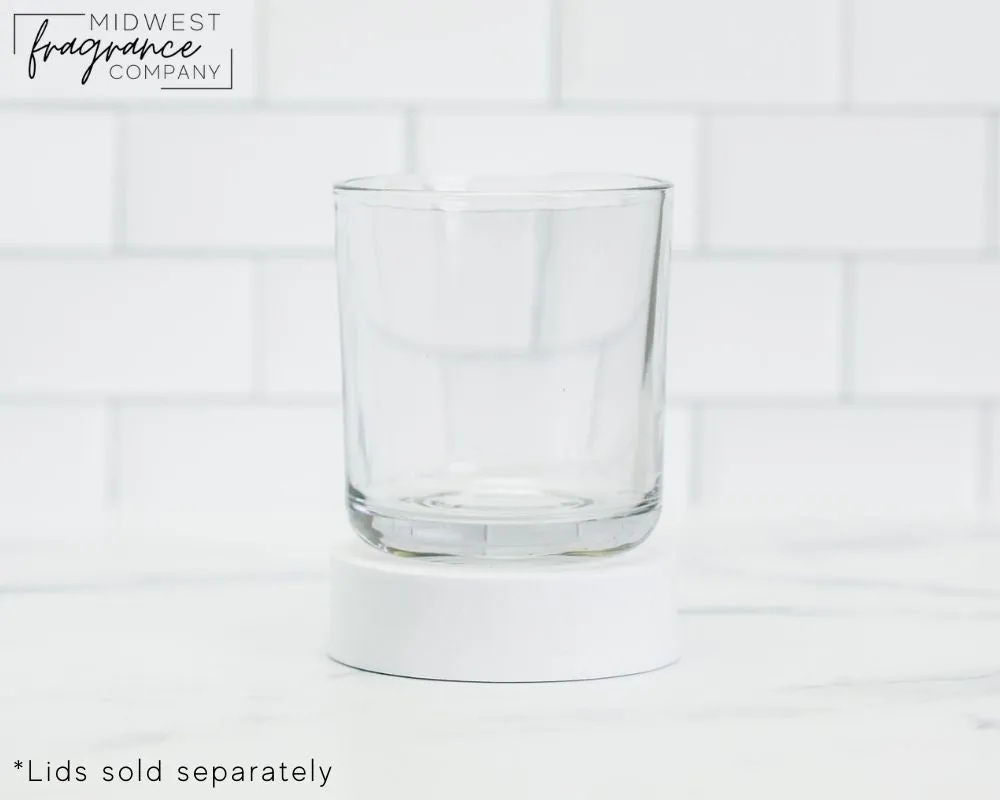
Yes, you can serve hot drinks in a tumbler, but only if the glass is specifically tempered or rated for heat. Ordinary glass tumblers expand unevenly when boiling water hits them, which causes the bottom to crack or shatter completely. Always verify the manufacturer’s temperature rating before pouring anything hot.
Coffee shops often serve iced lattes in tumblers, but hot espresso drinks go into ceramic mugs or double-walled insulated cups. If you pour hot tea into a standard single-wall tumbler, the outside becomes too hot to hold comfortably. You’ll end up needing a silicone sleeve or a napkin just to pick it up.
For households that want one glass for everything, borosilicate glass handles temperature swings better than regular soda-lime glass. It costs a bit more upfront, but it survives the dishwasher and occasional hot liquids without failing. Don’t assume every clear glass in your cabinet handles heat the same way.
Frequently Asked Questions
Why is it called a tumbler glass?
It’s called a tumbler because early versions had rounded bottoms that couldn’t stand upright on a table. If you set one down, it rolled or “tumbled” over until you finished your drink. Modern tumblers have flat bases, but the historical name stayed in use for centuries.
Is a highball glass the same thing as a tumbler?
Yes, a highball glass is simply a taller version of a tumbler. While a standard rocks tumbler is short and wide, a highball is narrow and holds more liquid for fizzy mixed drinks. Both share the defining feature of being flat-bottomed and completely stemless.
Are tumbler glasses safe to wash in a dishwasher?
Most modern tumblers are completely safe for dishwashers unless they feature painted designs or gold rims. High heat cycles can fade printed logos or strip metallic edges off cheaper sets, so place them securely on the top rack.