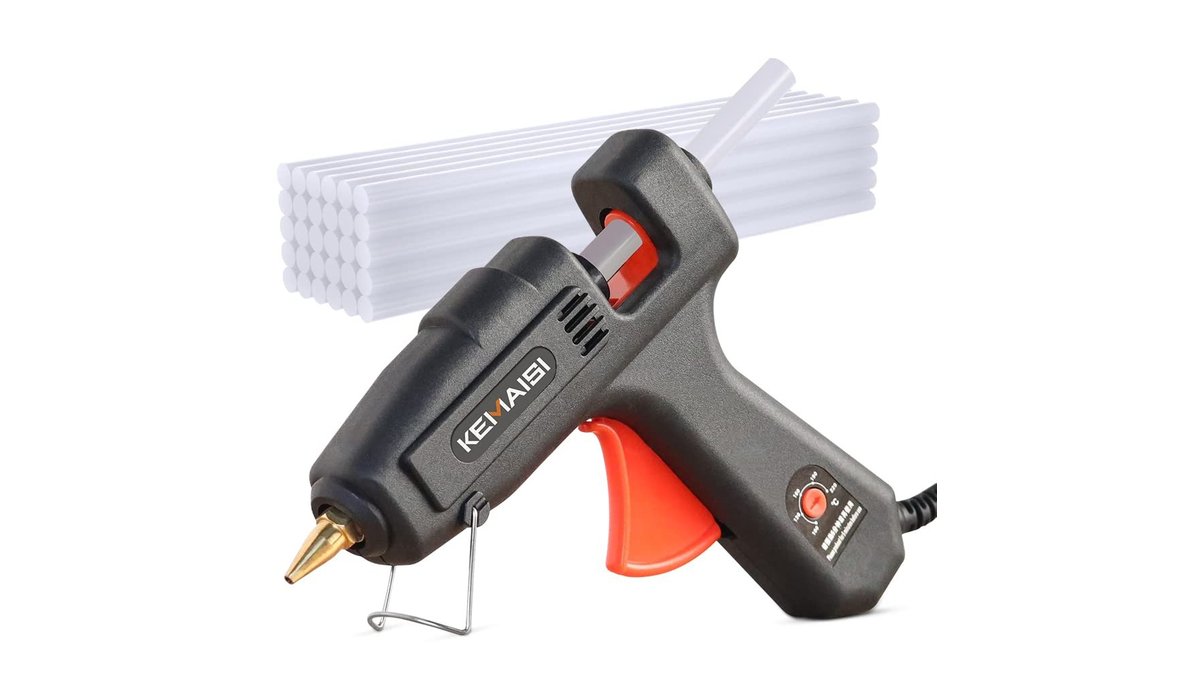
A basic mini glue gun costs about $5 to $12 at most US stores. A full-size glue gun runs $15 to $35, and a cordless or pro model goes $40 to $100+. The price you pay depends on one thing: whether you need it for quick craft jobs or for steady, all-day work.
What a glue gun really costs
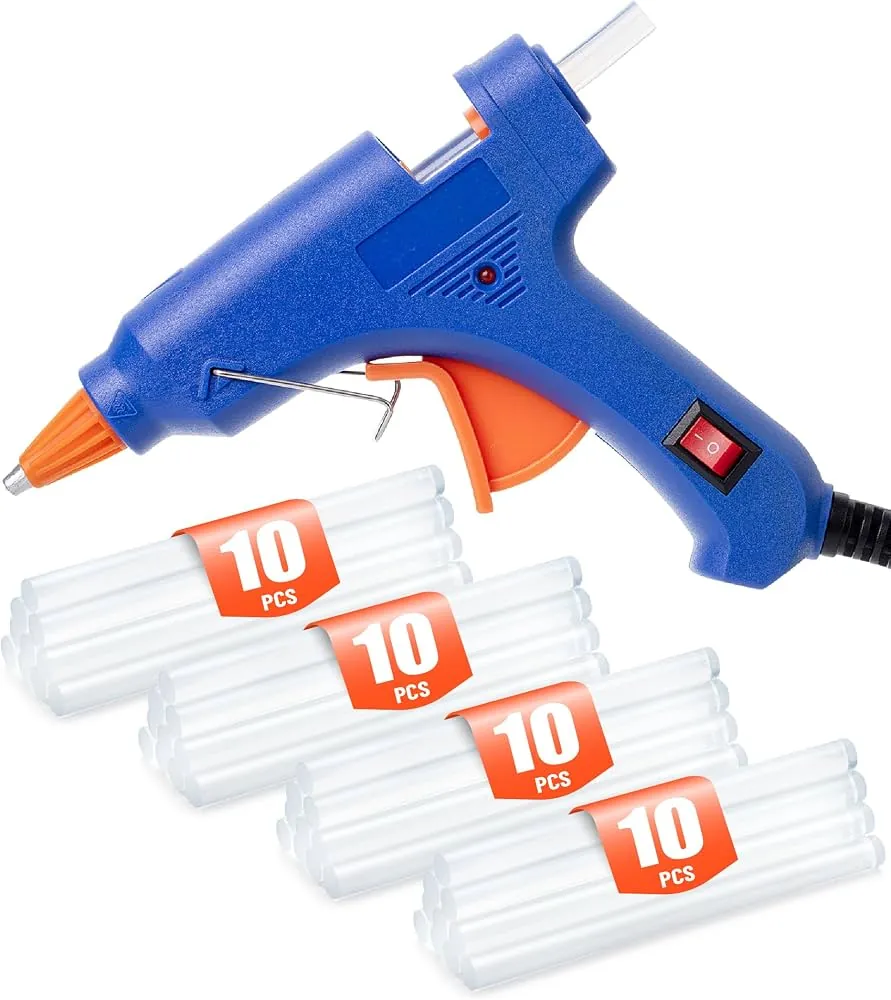
- Mini glue guns ($5–$12) take 5/16-inch glue sticks and suit paper, fabric, and small repairs.
- Full-size glue guns ($15–$35) take 7/16-inch sticks and hold more glue per squeeze for wood and thicker material.
- Cordless glue guns ($25–$70) run on batteries, so you’re not tied to an outlet, but they warm up slower.
- Pro and high-temp models ($40–$100+) give steady heat for long sessions and better bonds on metal and glass.
- Glue sticks are the hidden cost: a pack of 20–30 mini sticks costs $3–$8, and heavy users buy them monthly.
- A glue gun’s real price shows up in the sticks, not the tool, if you use it often.
Why glue guns cost so little or so much
The price tracks three parts: the heating element, the nozzle, and the trigger feed. A cheap gun has a small heating element that reaches working heat in a few minutes and cools just as fast. A pricier gun holds a steady temperature, so the glue flows the same on the first squeeze and the fiftieth.
Temperature control is the biggest jump in price. Low-temp guns stay around 250°F and protect heat-sensitive material like foam and ribbon. High-temp guns run near 380°F and bond wood, metal, and ceramic. Dual-temp models switch between both, which is why they cost more than a single-setting gun.
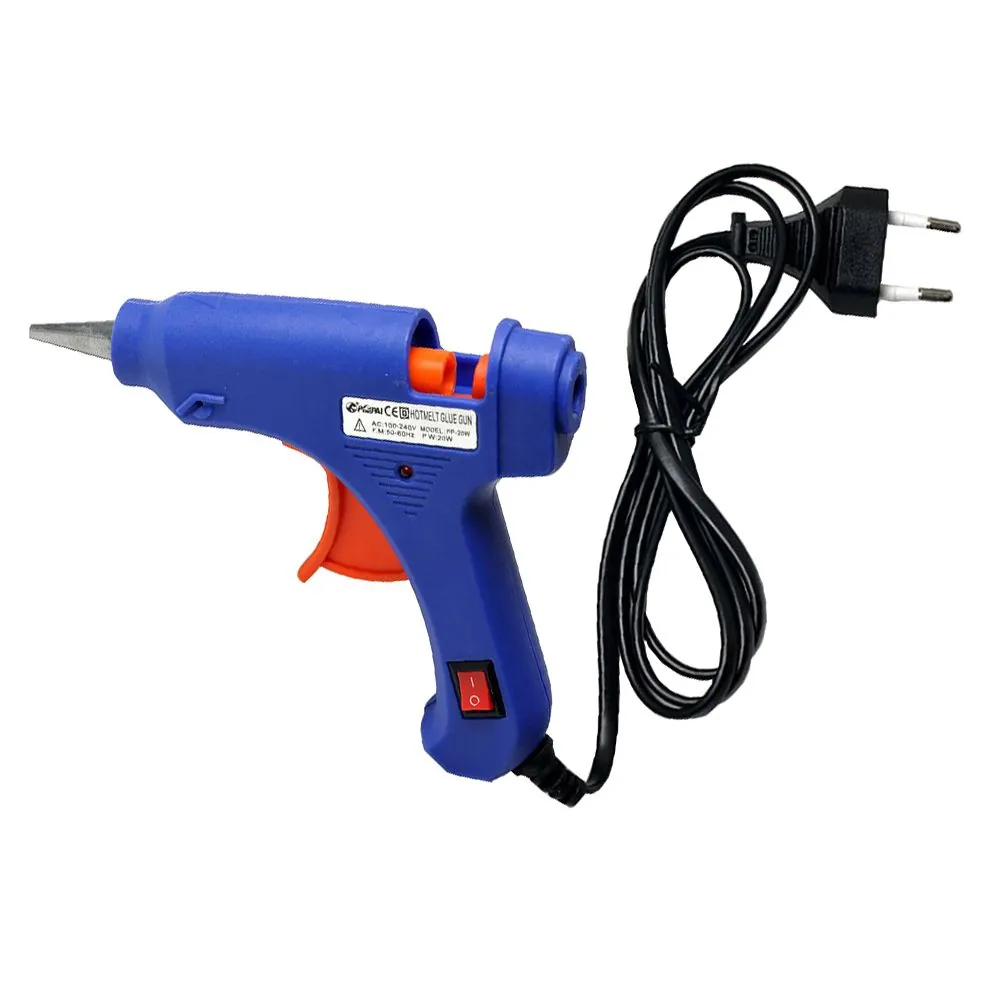
Build quality decides how long the tool lasts. A plastic body keeps the price down, but the nozzle clogs faster and the feed jams under heavy use. Check the wattage printed on the gun or its box — higher wattage means faster recovery between squeezes. If the number isn’t on the packaging, look it up on the maker’s official page.
When a cheap glue gun isn’t enough
| Situation | What changes | What to do instead | |—|—|—|—| | Gluing wood or metal | Low heat won’t bond | Buy a high-temp gun | | Working with foam or ribbon | Heat melts the material | Use a low-temp gun | | Long craft sessions | Cheap gun overheats | Pick a pro model | | No outlet nearby | Cord limits reach | Choose a cordless gun | | Thick beads of glue | Mini gun runs dry fast | Switch to a full-size gun | | Daily use for a business | Sticks add up fast | Buy bulk sticks |
Two numbers decide most of these cases. A cheap mini gun runs around 10 to 15 watts and tops out near 250°F, which is fine for paper and felt and useless on a hardwood joint. A high-temp gun reaches roughly 380°F and holds there.
Temperature isn’t the only variable. A mini gun’s nozzle is narrow, so laying a bead along a six-inch seam takes several passes and the glue skins over before you finish. A full-size gun lays that seam in one stroke.
Buy the high-temp gun if the joint has to hold weight. Buy the low-temp gun if the material would scar under an iron. When you need both, buy a dual-temp model rather than two guns.
The mistake is buying low-temp for everything to play it safe. The bond fails, and you reglue the piece with a stronger adhesive anyway.
How to buy the right glue gun
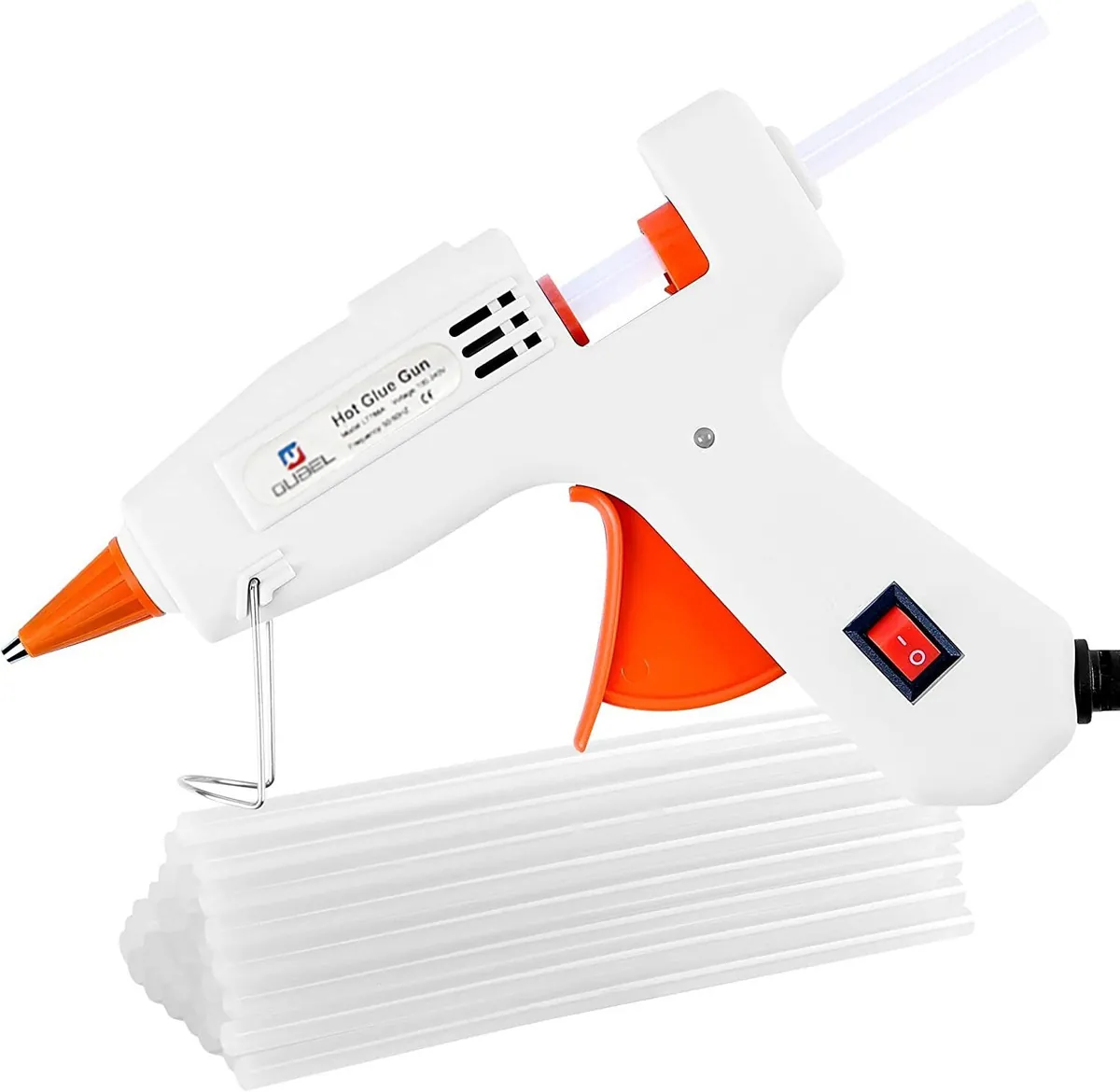
- Measure your biggest job first — if it’s wood, metal, or ceramic, you need a high-temp gun at $15–$35, not a $7 mini.
- Check the stick size before you buy: mini guns take 5/16-inch sticks, full-size guns take 7/16-inch, and they don’t fit each other.
- Match the wattage to your pace. Under 20 watts suits light crafts; 40 watts and up recovers faster for steady work.
- Decide on cord or cordless. Cordless costs $25–$70 and frees your hands, but you’ll recharge it between sessions.
- Hold the gun before buying if you can. A trigger that fights your finger wears you out on a long project.
- Add a pack of sticks to your cart — budget $3–$8 for a starter pack so you’re not stuck mid-project.
- Test it on scrap material first. Squeeze a bead and watch how fast it sets; that tells you if the heat matches your material.
Mistakes that cost you money
- Buying a mini gun for wood or metal work. It won’t bond, so you buy a second gun and pay twice.
- Mixing stick sizes. A 7/16-inch stick won’t fit a mini gun, and forcing it jams the feed.
- Skipping the stick budget. The tool is cheap, but 20–30 sticks a month adds up to more than the gun in a year.
- Leaving the gun plugged in. It keeps heating, glue drips out, and the nozzle clogs faster.
- Choosing cordless for long jobs. Battery models run down and need recharging, so long jobs can be interrupted.
One thing that changes the price for everyone: where you buy. A gun that costs $8 at a big-box store can run $15 at a small craft shop. Check the price on the maker’s official page or your local store’s site to see your own number before you compare.