
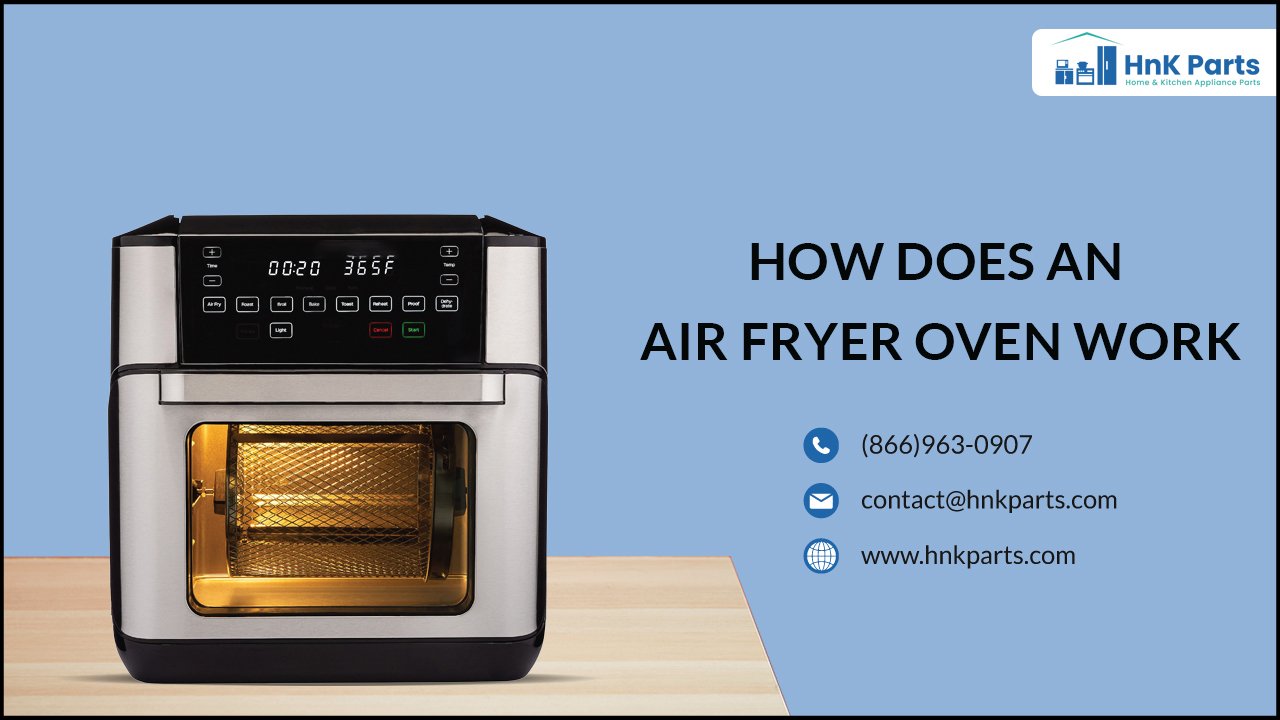
How does an air fryer work in an oven? It uses a powerful fan to circulate hot air at high speeds around food, creating a convection effect that mimics frying by crisping the exterior. This process is like a tiny, high-powered convection oven that fits right on your kitchen counter.
How do the oven fryer components work?
| Part or input | What it does | What you notice when it goes wrong |
|---|---|---|
| Heating element | Generates intense heat | Food stays cold or raw inside |
| High-speed fan | Circulates the hot air | Uneven cooking or soggy texture |
| Perforated basket | Allows airflow underneath | Bottom of food remains soft |
| Temperature dial | Sets the heat intensity | Food burns or never crisps |
| Timer | Stops the heating process | Overcooked or dried out food |
Check your specific user manual to see how these parts interact, as some models include sensors that adjust fan speed based on the selected mode.
Steps for successful air frying
- Place your food in the basket in a single layer, ensuring air can flow around every piece for even browning and crisping.
- Slide the basket into the unit, making sure it clicks into place so the safety interlock engages and allows the heating cycle to start.
- Set the temperature according to your recipe, typically between 350°F and 400°F for most fried-style results, then set your cooking timer for the desired duration.
- Shake the basket halfway through the cooking time if you’re preparing small items like fries, which helps redistribute heat and ensures even browning.
- Use a food thermometer to verify doneness, ensuring poultry reaches an internal temperature of 165°F as noted in the FoodSafety.gov safe minimum internal temperatures chart for safe consumption.
- Remove the basket carefully using oven mitts, as the exterior surfaces can become hot during operation, and let the food rest for two minutes.
Why circulation creates the crisping effect
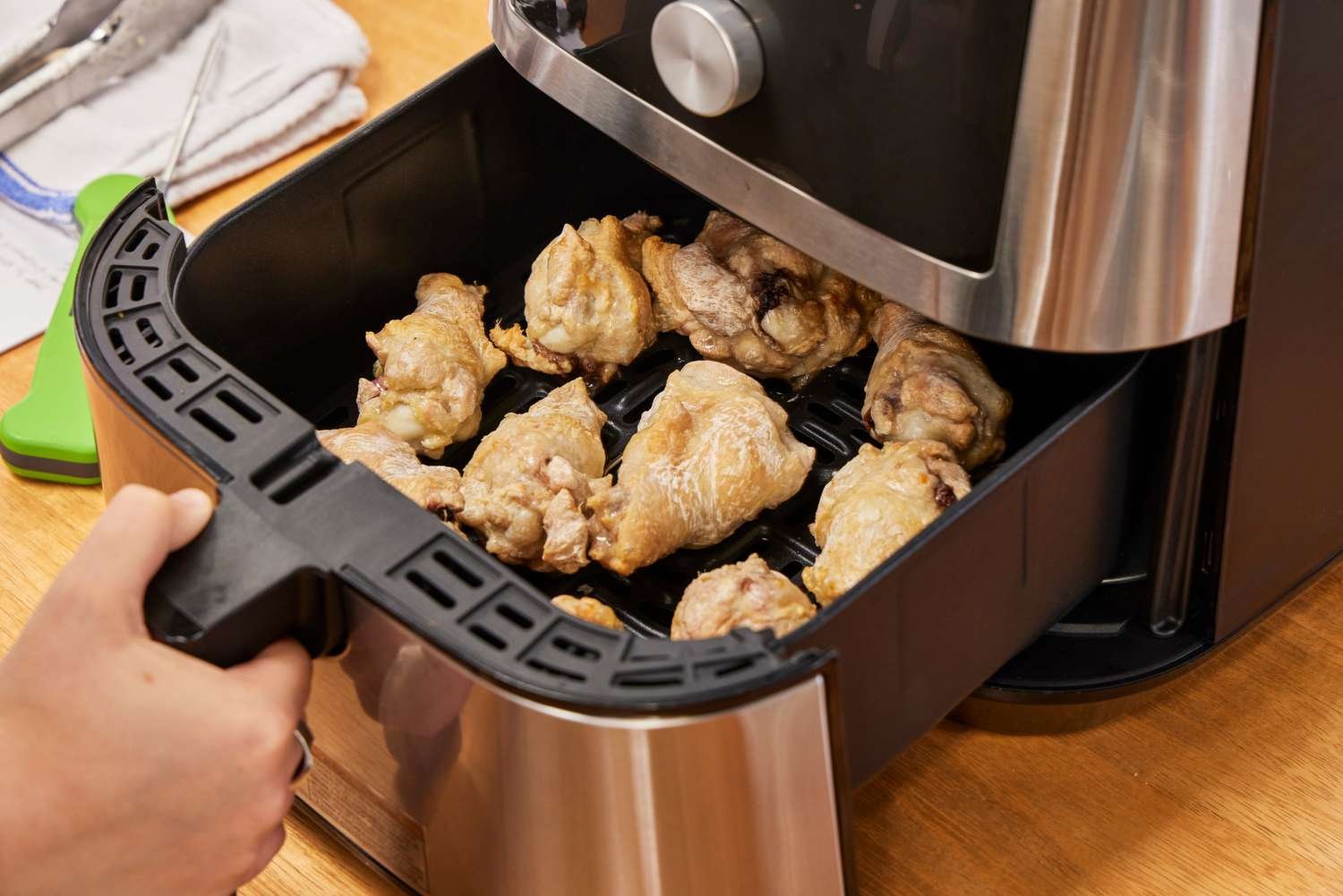
The mechanism behind the crisping effect relies entirely on high-velocity air movement rather than direct contact with hot oil. When the fan forces air across the surface of the food, it strips away the layer of cool, moist air that usually surrounds it. This rapid evaporation of surface moisture is what produces a crunchy texture, similar to deep frying but with significantly less fat. If the air circulation is blocked by overcrowding the basket, the moisture becomes trapped, and the food will steam instead of crisp. This is why you must leave space between items; if the air can’t reach the bottom of the food, the result is a soft, soggy texture that fails to mimic the traditional fried experience.
What you can change, and what you cannot?
Things you control
- The amount of food placed in the basket to ensure proper airflow.
- The temperature setting for different food textures and densities.
- The cooking time based on the size and thickness of your ingredients.
- The use of a small amount of oil spray to help heat transfer.
Things fixed by design
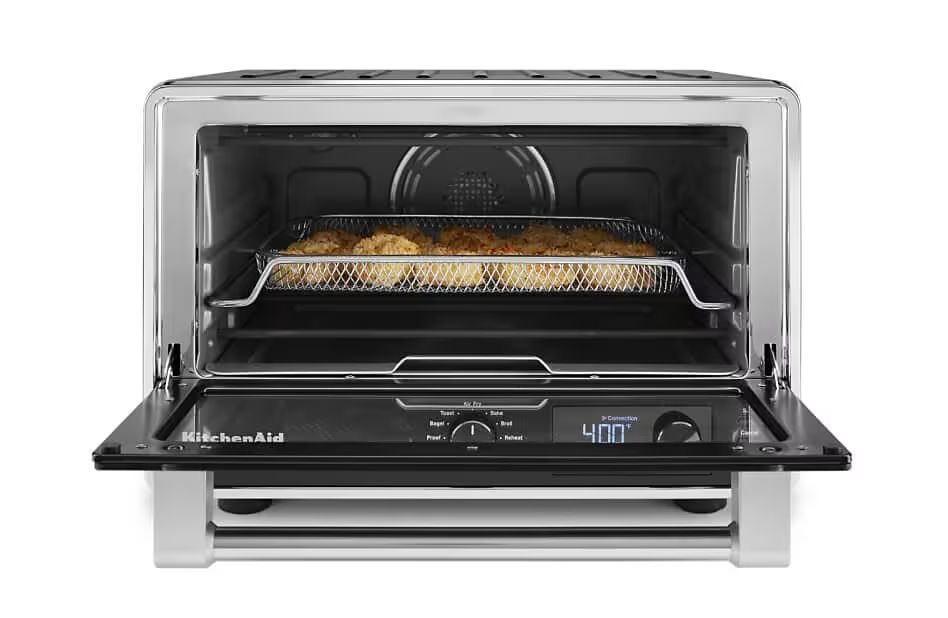
- The maximum fan speed, which is calibrated for the unit’s specific volume.
- The placement of the heating element relative to the food basket.
- The safety shut-off mechanisms that prevent the unit from running while open.
Don’t attempt to modify the fan or heating element yourself; these parts involve electrical components that require professional service to avoid the risk of electric shock.
Getting more out of it
Preheat your unit according to the manufacturer’s instructions to ensure the chamber reaches the target temperature. Invariably pat ingredients dry, as excess moisture prevents crisping. Remember that subsequent batches cook faster since the chamber is already hot. Clean the basket after every use to prevent smoke-inducing oil buildup. Experiment with new recipes this weekend to master your air fryer’s unique settings.